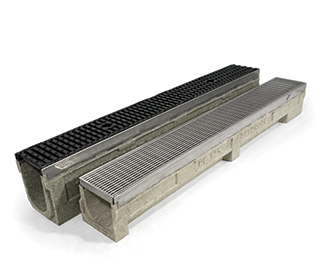
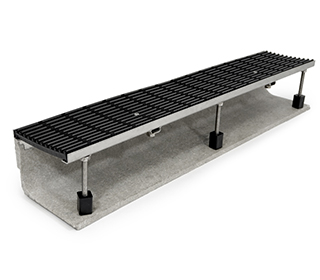
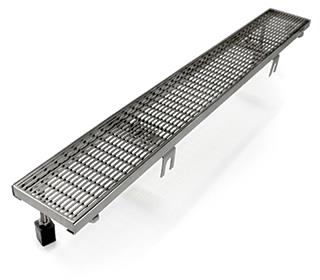
The primary objective of AS/NZS standards is to safeguard people from injury or illness, and property from damage. There are many elements which contribute towards this objective. Outlined are five key factors to consider when selecting the appropriate products for the job.

Application

Ensure you select the correct type of product for the job. Is a channel required or will a sump suffice? Is this a level entry into a habitable space, a channel drain in front of a drive/garage, or a collection point before going into the local authorities’ stormwater system? Each application has different requirements set out in NZBC and applicable AS/NZ Standards. A level entry scenario requires a 200 x 150mm channel and a 12mm drip line along the joinery (plus other various details), therefore a standard three sided channel is not applicable in this application. Each drainage system has been designed for a specific application, if you are unsure it is worth discussing your project with the channel supplier to avoid costly delays and work by removing a system that isn’t compliant.

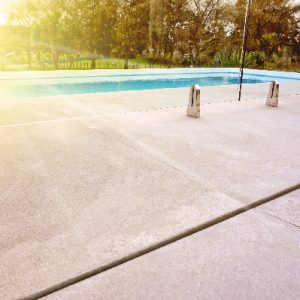
slot trench drain in concrete pool sidePerformance

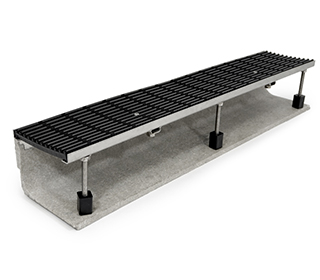
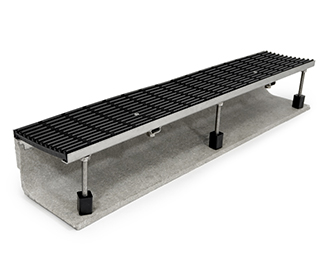
Ensure that the selected drainage product’s hydraulic performance meets the needs of the application. This may be a combination of the channel depth/width and grate open area or even just how the product is set up. Understanding the topography of the area will also have a large part to play, installing a slot drain with a 15mm opening at the bottom of a steep drive means that during a heavy downpour surface stormwater will likely bridge the gap and the drain will not perform to the desired level, however, a wider grate with more open area (eg. Allproof PC with cast iron grate) would allow the water to drain. A channel slot drain would work well in a courtyard with a fall towards it from both sides. It is best practice to seek advice from a specialist hydraulic consultant in this area.

Load Rating

AS3996:2019 Access Covers and Grates outlines the requirements for grate load class ratings. Grates must perform well under subjected loads appropriate to their application once installed. The standard provides a rating of A to G with A being “areas (including footways) accessible only to pedestrians and pedal cyclists and closed to other traffic (extra-light duty)” with a nominal wheel load of 330kg, and G for “docks and aircraft pavements subject to very high wheel loads (extra heavy duty)” with a nominal wheel load of 30,000kg. The majority of applications will require a load rating between A and D which would cover commercial vehicles in areas such as loading bays. Allproof have developed in-house testing to ensure their products meet the specifications laid out by AS3996, this information is available in their literature to aid product selection.

Environment

The environment plays a large factor in material selection when choosing a product. Stormwater drainage products are exposed to large amounts of moisture by nature of the application. It is important to understand the chemical and physical characteristics of materials in each environment. Cast iron is an excellent material for strength with a long life expectancy and economic price point, and its bituminous paint coating does provide a degree of protection from the elements. However, unless regularly re-painted it will wear off exposing the cast iron and oxidation will naturally occur.

Depending on the environment this can remain for some time, in high trafficable areas it will pass quicker and will eventually stabilise into a dull dark brown patina. This is a natural material reaction to the environment, it’s aesthetic and does not impact performance. In some scenarios (laneways) this may be a desired aesthetic, but the lifetime appearance should be considered in projects where a consistent appearance is desired. Allproof recommends high grade 316 stainless steel in marine environments as it has a higher degree of resistance to corrosion and reduces the need for regular maintenance, alternatively glass filled nylon (GFN) provides a black finish that doesn’t react to the environment.

Grating Design

Considerations additional to the features discussed above include the grating open area. Open areas will affect the hydraulic performance of the system, larger open areas would generally perform better hydraulically, smaller individual open areas may be more prone to blocking from debris. However, smaller individual open areas would be advisable in pedestrian zones, Allproof have classified a range of their grates as heelproof for use in areas likely to see high levels of foot traffic. Heelproof grates are designed to resist entry of high-heeled shoes by limiting the smallest dimension for an opening to 8mm or less.

It is also advisable to consider slip resistance on grate surfaces. This can be important in settings likely to be subjected to high volumes of foot traffic for example, busy urban streets and commercial courtyards. AS 4586:2013 covers the requirements and classifications for slip resistance, a variety of Allproof grates have been tested by an independent laboratory with excellent results ranging from R9 to R13.

According to Stats NZ’s ‘Building Consents Jan 2021’ demand for townhouses, flats and units have increased by over 80% within the past two years. With increased demand for mid to high density housing and constraints on available land, designers and product suppliers have sought systems to maximise the usability of available space.

Bathrooms are being placed under increased pressure as designers look to save space in areas of the dwelling that may not be considered prime living space. The majority of townhouses have ditched the bath with preference for a shower unit instead, however a shower unit can be bulky and close in the space while detracting from the aesthetics. A solution for this would be tiled showers with an elegant glass partition, this opens up the bathroom space with a continuous floor and wall finish, with the inclusion of wall niches it can create a far more user-friendly option.

A traditional tiled shower uses a waterproof membrane system bonded to a leak control flange creating a ‘tanked’ area. Tiles are then laid over the membrane with the appropriate fall towards a channel or point drain. This system is an excellent option and Allproof has built its reputation through a wide range of products and their integration with waterproof membrane systems. However, it has become apparent that there is demand in the market for a tiled waterproof system that provides the same level of assurance as a shower tray.

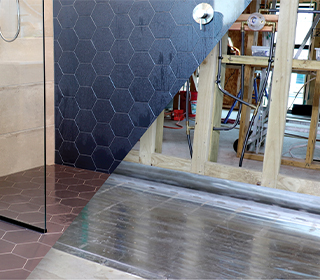
A stainless steel shower tray creates an impermeable barrier below the tiles that is highly resistant to any movement within the structure. This can become an important factor to consider when creating timber framed multi level dwellings with bathrooms above ground level or any development with intertenancy levels. One scenario that highlights this decision making process is Cordis Hotel in Auckland, even as a steel and concrete structure the designer decided the initial cost of putting tile over trays in each of the 235 bathrooms outweighed the cost associated with the risk of a failure. A leak in one bathroom would ultimately affect two or more rooms with the additional rooms being on the level below, this would greatly impact the revenue stream of the hotel along with the costs of repair.

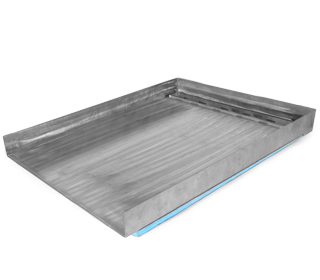
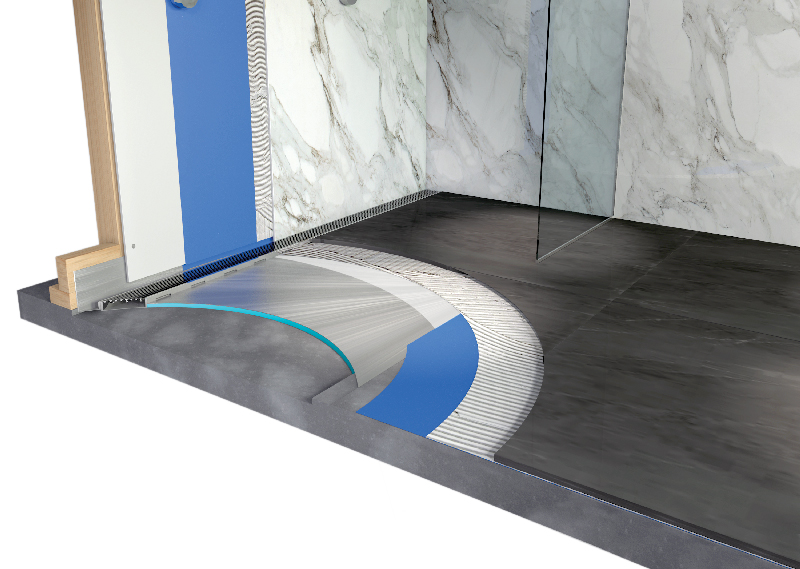
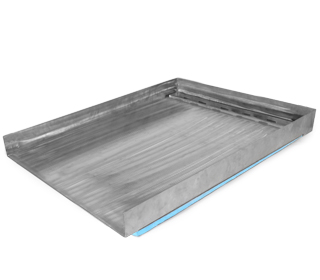
Specifying a tile over stainless shower tray also provides the assurance of performance and compliance with NZBC clause E3 internal moisture and relevant AS/NZ Standards. A tile over stainless shower tray would be considered a “Preformed Shower Base” (AS 3740-2010; 3.6) needing to be sufficiently recessed into the wall and floor allowing waterproof membranes to be dressed onto the flange surface areas (textured to maximise bonding), it should also be supported to prevent distortion or cracking. Allproof have designed the tray to exceed the minimum fall outlined for ‘Type 1’ showers (AS 3740-2010; 3.13.5) by utilising an engineered base. The tile over stainless tray provides options of a 1:80 (recommended for hob entry) or 1:50 (recommended for level entry) fall which satisfies NZBC E3 3.3.5 which looks to obtain a fall of 1:50 towards the shower drain. The tray has a channel drain built into the system with tile bar options designed to suit varying tile depths and weepage holes allowing subsurface moisture trapped by the stainless tray to track into the waste outlet.

Allproof Stainless steel tile over trays have been developed so that they can be custom made specific to each project while reducing the work and impact on the installer. Each tiled shower tray caters to the unique variables of the project including overall size, shape, entrances/wall upstands, tile depths and grate options. The tray is supplied as a complete unit with the engineered base attached. The production process consists of completing an initial custom form with measurements, Allproof will then follow up with any questions and supply a shop/production drawing for sign off. By using a system with built in fall it removes the need for screeding on site, saving time and costs. The tray is fixed into place and tiles are directly applied following the install guide. The same process can be followed for stainless steel wall niches, a recent addition to the Allproof offering.

Tile Over Stainless Tray

1. Compliance with NZ regulations

The New Zealand Building Code (NZBC) ensures Kiwis have the highest standards of health, hygiene and safety in their properties, taking into account New Zealand’s unique weather and climate conditions and user requirements. For waste and drainage systems, the objective of NZBC Clauses E2 External Moisture and G13 Foul Water is:

    • E2.1 to safeguard people from illness or injury that could result from external moisture entering the building
    • G13.1 to:
      • (a) Safeguard people from illness due to infection or contamination resulting from personal hygiene activities; and
      • (b) Safeguard people from loss of amenity due to the presence of unpleasant odours or the accumulation of offensive matter resulting from foul water disposal.

Through their accompanying compliance documents, both clauses set out expectations for the design, construction and installation of waste and drainage systems to protect buildings and occupants.

These, together with relevant AS/NZS Standards, are the main resources for the design and development of drainage products here in New Zealand, ensuring NZ based manufacturers are well-positioned to supply the local market with products specifically for New Zealand’s construction industry.

2. Local knowledge for product development

Allproof draws on insights and knowledge gained through the company’s 33-year heritage of partnerships and collaborations with top New Zealand plumbers, hydraulic engineers, architects and industry bodies, such as Master Plumbers.

By utilising these relationships, Allproof has been able to grow and maintain a large product portfolio based on the critical feedback and insights from the New Zealand construction and plumbing community. Products such as the Tile Over Stainless Tray have eliminated the need to screed a fall into the tray hence reducing work needed on site to install. Once again this process was all possible thanks to the product feedback from the construction and plumbing industry.

With a New Zealand-based team of over 100 tradespeople, machine operators, engineers and operations staff, Allproof’s ongoing product development programme is well equipped to implement the feedback creating innovative systems for the plumbing and drainage industry in a fast-paced and challenging climate.

This process means products have been developed with the installer in mind and the unique challenges of the New Zealand building design and construction industry they face on-site every day.

Tile Over Stainless Tray

3. Investment in manufacturing processes

New Zealand’s plumbers and drainlayers want systems that perform to the highest standards and stand the test of time. Knowing that continuing investment is being made into production processes and controls gives installers confidence that products are fit for purpose in the work they are completing (reflecting back on the core objectives of the NZBC and AS/NZ Standards).

Allproof consistently invests in their manufacturing processes to control all aspects of product production and to maintain a high level of quality across the range. Engineers maintain and develop moulds in the company’s fleet of injection moulding machines, whilst a department of 30 fabricators use some of the industry’s most advanced technology to ensure accuracy and quality in Allproof’s stainless steel drainage products.

4. Accessible technical advice and assistance

Easy, first-hand access to product advice and assistance is another key advantage to using NZ made. With an in-depth understanding of the applicable Building Code clauses and Standards, Allproof’s NZ based sales team of eight are able to provide in-depth technical insights and advice for the application of the company’s drainage and waste products.

The team has a range of skills and backgrounds, including plumbers, builders and staff who have been with the company for over 12 years. The sales team help designers select and design drainage systems specific to projects, visit sites to provide technical information and installation training and to assist with measurements where possible.

5. In-house design for customised systems

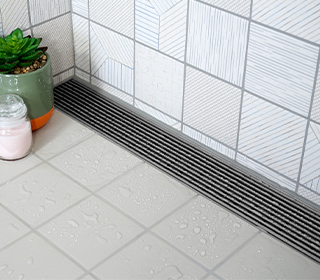
Commercial projects often have unique requirements that benefit from purpose-designed drainage systems. Drawing on industry and technical knowledge, Allproof’s in-house design team are able to design drainage systems that cater for project-specific scenarios. This full in-house design service is unique to Allproof and allows the company to supply custom-designed systems with high drainage performance that cater to each site’s limitations and install requirements. Allproof has been at the forefront of the shower channel product design with our custom stainless steel Vision Shower Channel, utilising linear drain options we are able to customise the channel length for project specific jobs.

The stainless steel fabrication department then manufactures these systems to the highest level of accuracy and, before being dispatched, all products must pass a Quality Assurance process from a QA dedicated team member.

Vision Shower Channel

The Ministry of Education released Version 3.0 of Designing Schools in New Zealand – Weathertightness Design Requirements for New School Buildings in September 2020. This document is aimed at architects and designers by outlining the acceptable details for weathertightness around level threshold access. This is an important factor when considering the intended use of an educational facility and those requiring access.

MoE’s Weathertightness Design Requirements provide clear details in section 6.4 Threshold Channel Details for which a level threshold installation must comply to. “The threshold channel must be designed as ‘dry in service,’” meaning the external surface must fall away from the channel with a minimum slope of 1:50. The threshold channel must have a clear internal width of 200mm and have a minimum depth of 150mm at the high point of an internal fall. The grate is to have a clear 150mm width, maintain a 12mm separation from joinery and/or cladding and be easily removable for maintenance. There must be no more than a 20mm level change between internal and external surfaces to meet NZBC and NZS4121 accessibility requirements.

The channel must “be laid with minimum 1:200 falls to a sump connected to the stormwater system” with outlets set at 3700mm centres for uncovered areas or 7400mm centres for “suitably sheltered” areas as per Clause 6.3.4 regarding covered verandas, overhanging upper storey or recessed doorways. Figures 6-4, 6-5 and 6-6 show details of how the channel interacts with cladding which is a detail not previously covered in E2/AS1. Cladding is to be finished 50mm above grate level with a concrete nib or it can be taken down below the grate surface with the use of impermeable moisture resistant cladding and only in “suitably sheltered” areas as per Clause 6.3.4.

The document states “three-sided pre-formed channel systems are prohibited,” meaning Allproof’s Perimeter Drain is the solution. Perimeter Drain is a two sided channel with a bracket system supporting a grate allowing for the 12mm drip line. The bracket is anchored using fixings embedded into the channel wall, the bracket system maintains a mechanical separation from the joinery meaning it doesn’t rely upon the sill for support. The Channel provides a set 200mm width and is 180mm deep catering for a 1:200 screeded fall in the base of the channel. This easy to install system complies to all of MoE’s Weathertightness Design Requirements and E2/AS1 standards.

This system was developed at Allproof Industries manufacturing facility on the North Shore of Auckland. Allproof manufactures a variety of level threshold systems to suit all manner of applications. A rigorous design process coupled with in-house and independent testing facilities for load rating and slip resistance ensure Allproof’s products are of the highest standard for performance and safety.

Allproof level threshold products have been used in educational facilities all around New Zealand and notably the below projects:

  • AUT Auckland City
  • King’s School Remuera
  • Northcote Primary
  • Long Bay High School
  • Stonefields school
  • Waiheke School
  • Sunnyfields School
  • Meadowbank School


A short guide to designing an external surface water drainage system that protects your dwelling from moisture while maintaining visual consistency and high performance.

A typical residential project will likely require various surface water drainage systems installed at the property entrances and at the property boundary to protect the building from moisture and mitigate runoff into the street. Each scenario will have different requirements based on its performance needs and applicable building codes. The following describes typical scenarios you may face and how these systems would converge before surface water can be drained into the local authorities stormwater system.

Garage and Driveway Drain

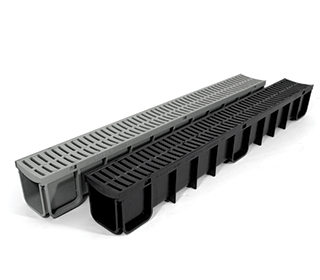
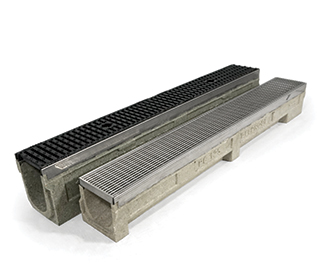
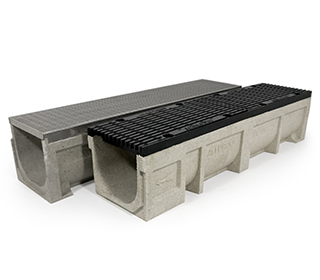
For attached garages (areas not deemed to be habited spaces) the door openings will have a “50 mm minimum total level change between the interior and the exterior paving” (E2/AS1 clause 9.1.3.4) in the way of a nib and/or ramp, a drainage channel would then be installed across the total opening width. The same channel drainage system would likely be present at the driveway entrance along the property boundary to collect runoff from the property. Factors to consider would be channel depth, load rating and grate selection. When selecting a grate for a low traffic area that will be subjected to vehicles it is advisable to consider the likelihood of grate dishing and ongoing material finish (i.e. oxidisation in cast iron). Allproof’s Domestic Channel system is constructed from high grade plastic and is suitable for domestic vehicles by gaining its strength from the surrounding concrete. The Domestic Channel’s plastic grates appearance lasts and maintains shape under repeated wheel loads. If a higher load rating as per AS3996 is required in the situation where commercial vehicles or heavy loads such as boat trailers need to access the property, Allproof’s Polymer Concrete would provide an excellent alternative. Grade 316 stainless steel Wedge Wire (load class B or above) would make an excellent grate option in this situation.

domestic channel drainage plastic driveway product thumbnail

Domestic Channel

Polymer Concrete

Level Threshold Entry

level entry threshold door drain channel residential front entrance

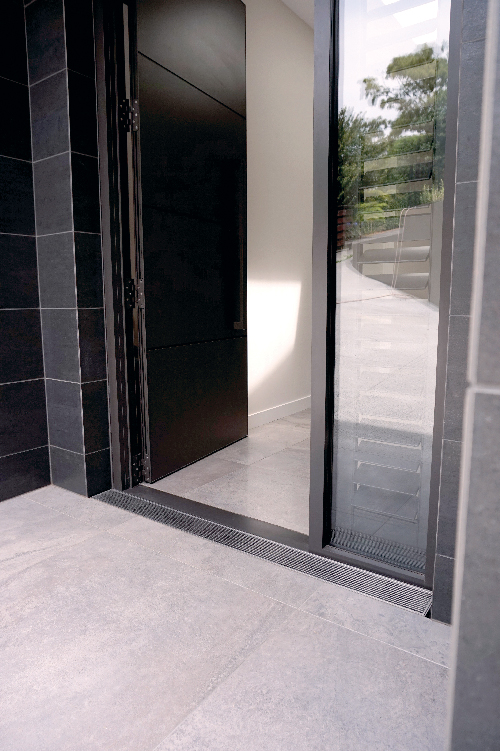
At the main entrance to the dwelling a level threshold may be desired where the internal surface and external surface are not subjected to a level change, in this scenario E2/AS2 clause 7.3.2 applies. A 150mm deep by 200mm wide channel is required across the entrance with a grating system that will maintain a 12mm separation (drip line) from the joinery. A traditional 3 sided channel doesn’t work in this scenario as the joinery traditionally overhangs the building slab and will often vary in its width creating a narrower reveal in certain areas. Features to consider here would be the grate finish/material and slip resistance in accordance with AS4586. Allproof’s Perimeter Drain provides an off the shelf two sided channel solution for this with an adjustable Glass Filled Nylon (GFN) grate or a fully custom stainless steel grate supported by a bracket. The GFN grate has a matte black finish which compliments dark joinery and has an R10 slip rating whilst the 316 grade stainless steel Wedge Wire grate is made to measure by Allproof and offers an R11 slip rating. Allproof also offer a wide range of other fully custom manufactured systems to accommodate for a variety of other design variables, for more detailed information on designing the correct system and application for level threshold please see our article on How to Design E2 Compliant Level Access Building Entrances.

Perimeter Drain

Sump/Collection Point

Round Drainage drain pit sump water storm collection stormwater point system

Round Drainage Pits

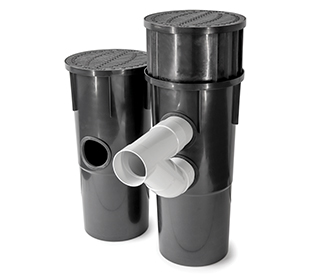
In a central or practical location a sump should be installed. This sump can be used to drain the surrounding surface area by creating falls towards it and therefore positioned accordingly, or it can be used as a collection point for the property’s other drainage systems. The sumps purpose is to provide suitable collection capacity for surface water from the surrounding area, provide sediment catchment while removing the likelihood of floatable solids entering the stormwater system and provide access for maintenance and cleaning. E1/AS1 states in clause 3.6.1 that “all surface water, except that collected directly from a roof, shall enter the drain via a sump which has:

      1. A grating, hinged or removable for maintenance access. The grating shall comprise at least 35% openings. The smaller dimension of any individual opening shall not exceed 35 mm,
      2. Capacity at the bottom for settlement of silt and debris, and
      3. A submerged (or trapped) outlet which prevents floatable solids entering the drain”

The channel systems previously highlighted all have outlet locations on the underside of each channel section, stormwater pipe would then drain the collected surface water away from the building and into the above sump. Allproof’s DP350x700RS has recently been brought to the market, the sump complies to the above E1/AS1 clause 3.6.1 with a round cast iron grate, 300mm of sediment collection and enough space above to include a half syphon outlet.

The Full System

Other drainage systems such as Allproofs Storm Series grates may also be required depending on the design of the property, these will follow a similar process and integration with the full system. A level of continuity can be achieved by selecting complementary systems from the same supplier, often grates and details are transferable between products allowing for an aesthetic language to be kept throughout the project.

Modern building design places an emphasis on maximising useable space in smaller footprints, therefore design features such as open-concept bathrooms have become popular to extract maximum value from the space available. By removing a boxed in shower unit in exchange for a tiled shower, the space can become drastically more usable.

There are certain aspects to AS/NZS standards and the NZBC E3 that must be accommodated for during the design and install of a tiled shower. Ensuring that water is retained within the designated shower area is important, this will predominantly be controlled with the combination of walls, doors and fall in the floor towards an outlet.

shower tray tile over stainless drain waste channel grate

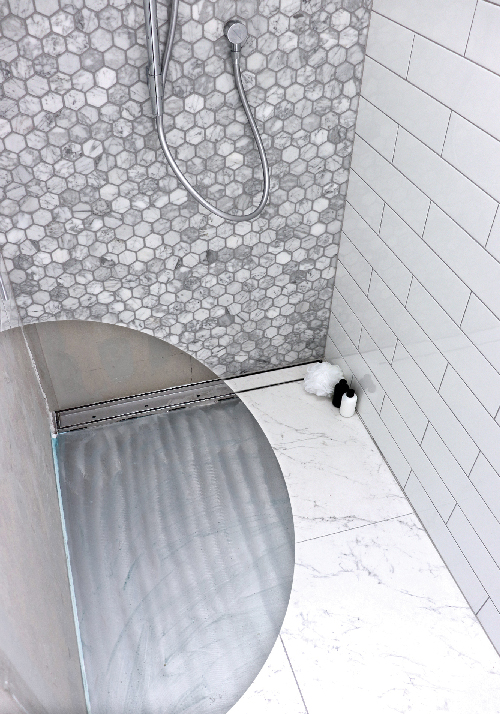
Most residential showers will be considered a ‘Type 1’ (according to AS 3740-2010; 3.13.5) with a frameless glass screen, shower curtain and/or waterstop hob entry controlling splash and surface water. Therefore, a minimum of 1:100 fall is required where a hob is present. A minimum of 1:80 fall is needed for all other shower areas. By designing a shower with a channel drain (typically running along the back wall under the showerhead), the installer will only need to screed a fall in one direction, this then improves the aesthetic finish and reduces the amount of work conducted by the tiler by avoiding crosscuts through the tiles towards a central point drain outlet. AS 3740 states “it is advisable to have either the screed drained or a membrane placed on the top of the screed to prevent retention in the screed beyond the water stop.”

New Zealand’s wide offering of waterproof membranes combined with Allproof’s drainage systems such as the Vision Shower Channel creates some excellent options to protect the structure of the building from moisture created within this area. For those who prefer the assurance of a shower tray/base being present, especially in bathrooms located in timber structures or multi-storey buildings, an Allproof stainless steel shower tray can be installed under the tiles creating an impermeable barrier directly under the wet area.

A tile over stainless shower tray would also be considered a “Preformed Shower Base” (AS 3740-2010; 3.6) needing to be sufficiently recessed into the wall and floor allowing waterproof membranes to be dressed onto the flange surface areas (textured to maximise bonding), it should also be supported to prevent distortion or cracking. Allproof have designed the tray to incorporate the fall outlined for Type 1 showers by utilising an engineered base. The tile over stainless tray provides options of a 1:80 (recommended for hob entry) or 1:50 (recommended for level entry) fall which satisfies NZBC E3 3.3.5 which looks to obtain a fall of 1:50 towards the shower drain. The tray has a channel drain built into the system with tile bar options designed to suit varying tile depths and weepage holes allowing subsurface moisture trapped by the stainless tray to track into the waste outlet.

shower tray tile over stainless drain waste channel grate waterproof membrane leak resistant proof

The Allproof preformed Tile over tray system makes tiled showers easy while providing peace of mind for installers by creating a system that accounts for the required falls, provides a reliable impermeable base, removes the need to screed, allows for direct stick tiles and flat floor framing. Tile Over Stainless Trays are custom made in New Zealand to project-specific measurements, a custom quote/order form can be downloaded from allproof.co.nz.

Since opening its doors Commercial Bay has been a key topic of interest in the A&D community earning it a position among the finalists for one of the industry’s most prestigious awards. With 300 metres of level threshold skirting the perimeter Warren and Mahoney along with Fletchers had to carefully select the correct supplier and product to cater for such a complex and varying application. NZBC E2 has set out strict criteria that level threshold drains must adhere to for performance and safety reasons. Due to the scale of commercial activity, foot traffic, plus the variety of joinery systems selected, the level threshold drain needed to be highly adaptable while maintaining the level of detail and aesthetic that Warren & Mahoney are renowned for.

Allproof Industries’ Perimeter Drain was selected as the ideal solution. Allproof manufacture drainage and passive fire systems on the North Shore of Auckland and specialise in custom stainless steel systems. The Perimeter Drain uses a polymer concrete L shaped channel with a variety of off the shelf and custom grate options. This system allows for varying joinery dimensions that step in and out overhanging the channel by adjusting the grate width for a clean channel line around the perimeter of the building. On Commercial Bay certain areas at secondary entrances have wider spans of grate to accommodate for the building line, the system needed to be engineered for load rating on these areas to cater for traffic that is specific to these entrances. Allproofs Wedge Wire grate was selected for its customisable features, excellent hydraulic performance and R11 slip rating.

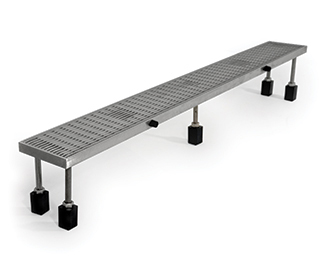
The transition between the Sky Lobby and the roof top terrace uses a revolving door, Allproof were asked to create a custom stainless steel drainage channel to the exact radius of the door allowing for level entry onto the terrace. Allproof’s Threaded Leg system with wedge wire grate was ideal for this. Allproof used the specifications from the door supplier to laser cut a stainless template to the required radius, this template was then tested on site to ensure the correct fit. Allproof’s fabrication team then used the template to hand fabricate the system rolling each element of the grate to the exact diminishing radius before welding the components together creating the full system.

Allproof was also chosen for the drainage system running down the centre of the retail complex. The channel drain is installed as a podium set up with restricted depth due to the City Rail Link (CRL) line and station below the complex. A 75mm depth channel was therefore selected with the outlets directed into podium flanges below the surface. A heelproof cast iron grate for its durability, performance and aesthetics has been used, the characteristics of cast iron combined with high levels of foot traffic means that it will weather into the environment and blend with and enhance the laneway atmosphere the architecture creates.

By selecting a New Zealand manufacturer Commercial Bay significantly benefited from specialised knowledge in the NZ building code that Allproof were able to supply, along with a product range specifically designed for the local market and the ability to highly customise bespoke systems to the exact needs of the project.

Ensuring accessibility for all building occupants while strictly adhering to the New Zealand Building Code (NZBC) can be challenging. Thankfully systems exist on the market that have been designed specifically for the New Zealand market to address these challenges. Providing level threshold access to buildings is essential when catering to disabled and elderly occupants. NZBC E2/AS1 7.3.2 clearly outlines the requirements for protection against external moisture when designing level access. Allproof have designed, manufacture and supply multiple systems that address the key features set out in E2/AS1 7.3.2 and Figure 17B providing fully compliant solutions.

NZBC Clause E2 External Moisture states that a channel drainage system is required that complies to the below features:
i) the width to suit capacity in accordance with E1/AS1,
ii) a minimum depth of 150mm,
iii) a maximum length of 3700mm, and
iv) 1:200 minimum fall along length of channel towards a drainage outlet.

Grating over the channel that:
i) is supported independently of the door frame,
ii) is removable to allow access for cleaning,
iii) is specifically designed to accommodate imposed loads,
iv) has gaps sized to prevent the wheels of wheelchairs or mobility aids entering or being trapped, and
v) has a continuous gap of 12mm minimum from door frame and wall cladding.

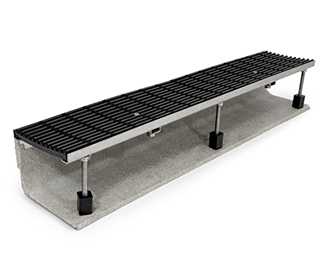
The systems offered by Allproof comply with these requirements while catering for varying install scenarios, i.e. differing external surfaces and preexisting trenches. The Allproof Perimeter Drain is the most popular and versatile system in the offering. This channel drain consists of a two-sided polymer concrete channel supplied in 1m lengths with a stainless steel bracket secured to the channel and a choice of four grates to cater for specific needs and aesthetics.

The 200mm wide channel is installed against the building line prior to an external concrete pour. This reduces time spent boxing out and the number of pours required, thus becoming an economical option. Once the external surface has cured, the installer is able to screed a 1:200 fall into the channel base towards the outlets. The installer then fixes the brackets into the channel using the mounting points provided. The frame includes feet to support the grate “independently of the door frame” while maintaining a “continuous gap of 12mm minimum from door frame and wall cladding.” This system has been designed for easy on-site customisation so that it can follow the perimeter of the joinery and cladding maintaining a consistent 12mm gap where other systems on the market may not cater for this and result in varying gaps as the joinery and cladding step in and out.

On commercial projects, Allproof recommends grate lockdowns. These are easily removable for regular cleaning and maintenance. The system is designed for pedestrian traffic, however, Allproof has custom designs that allow for vehicle traffic should the need exist. All grates have been designed to be wheelchair friendly and heel-proof.

Allproof’s Perimeter Drain has an excellent in-service history, it has been selected and installed in a wide variety of residential and high profile projects including Commercial Bay, the B:Hive at Smales Farm, AUT, King’s School Remuera and Archibald & Shorter North Shore Jaguar and Land Rover showroom.

polymer concrete perimeter drain external level threshold product thumbnail

Perimeter Drain

Bolted Bracket level threshold system channel drain entrances

Bolted Bracket

Sourcing locally manufactured products dramatically improves the carbon footprint of any construction project, this is then compounded when factoring in the use of recycled materials. Allproof Industries mould their Domestic Channel and Pits in New Zealand and do so from 100% recycled Polypropylene plastic.

Allproof pride themselves on supplying premium products to the plumbing and drainage industry. When designing, planning and developing products Allproof will explore opportunities to use responsible processes and materials. Allproof’s Domestic channel and pits are moulded at their factory on the North Shore of Auckland using locally sourced (where possible) recycled Polypropylene (PP) material. This plastic is ideal for this product range and is also used in various other products in the Allproof catalogue because of its responsible sourcing and physical characteristics. PP is tough with good impact resistance, chemically resistant and when combined with UV additive it can withstand all of New Zealand’s conditions.

Allproof are undertaking various other initiatives to reduce the impact of product manufacturing on New Zealand’s environment and do their part for sustainability. These initiatives include removing heavy metals from waste water through an approved filtration system, internal recycling of products that don’t pass a rigorous Quality Assurance process (re-grinding of plastic injection moulded products). Allproof is also BEP (Best Environmental Practice) certified for their PVC manufacturing as per AS/NZS 1260:2017.

The BRANZ website explains that: “BRANZ Appraisals are robust, in-depth independent evaluations for building products and systems to be deemed fit for purpose and Building Code compliant.”

Allproof Passive Fire Products covered in the appraisal are:

Low Profile Fire Collars
Drop-in Fire Collars
Cast-in Fire Collars
Pipe Wraps

The BRANZ appraisal evaluates the product systems, testing methods, test performance, identification and supporting literature against the below Clauses from the NZBC:

Clause B2 DURABILITY: Performance B2.3.1 (b) 15 years and B2.3.2. Allproof Passive Fire Protection Products meet these requirements.
Clause C3 FIRE AFFECTING AREAS BEYOND THE FIRE SOURCE: Performance C3.6. Allproof Passive Fire Protection Products will contribute to meeting this requirement.
Clause F2 HAZARDOUS BUILDING MATERIALS: Performance F2.3.1. Allproof Passive Fire Protection Products meet this requirement and will not present a health hazard to people.

Allproof are pleased to confirm that their Passive Fire Protection product range meets and exceeds the requirements set out in the NZBC. This assessment can give installers, specifiers, Regulatory Bodies and the building occupiers confidence in the selection, consent process and reliance on Allproof Industries Passive Fire Protection Products.

Allproof’s Passive Fire Protection BRANZ appraisal number is 1088. Click here to view the appraisal