Specifying Drainage Systems in Corrosive Environments
New Zealand projects are increasingly being delivered in challenging exposure zones, and Allproof has been working closely with designers to ensure hydraulic systems align with durability requirements across a wide range of environmental conditions.
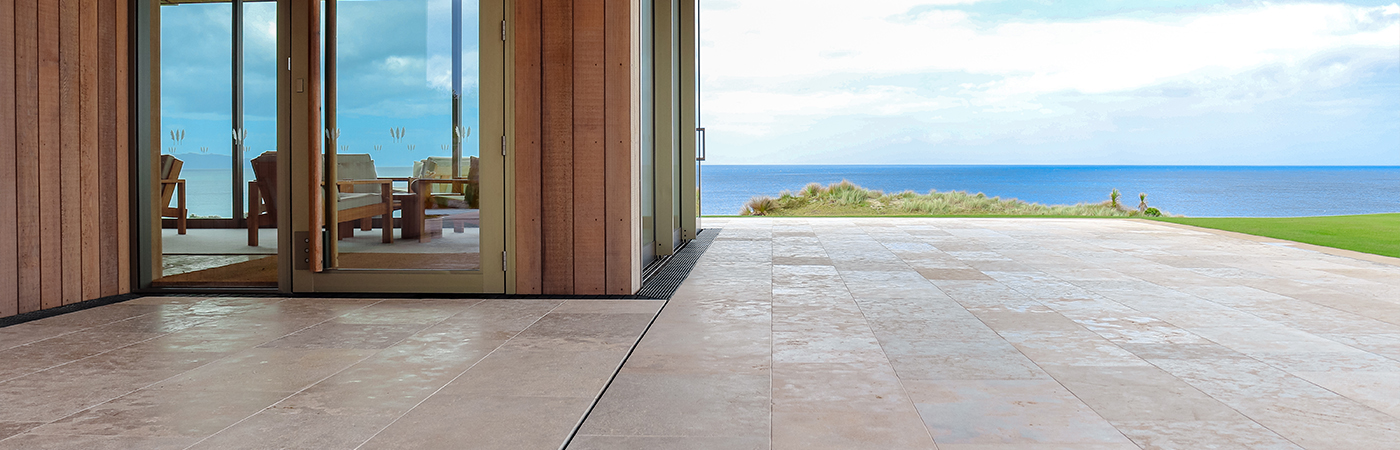
Drainage systems must first be designed for function. Their primary role is to collect and convey water from the surrounding environment, whether that environment is a roof, patio, courtyard or driveway. Once the hydraulic performance requirements are confirmed, material selection and surface finish are determined by the environmental exposure of the installation. Conditions such as coastal air, sheltered locations that do not receive natural rinsing, or thermally active ground can all influence long-term durability and product performance.
Several high-profile projects in Rotorua illustrate this challenge. Located in the geothermal zone, these developments face intense corrosive conditions caused by sulphur-rich steam and high-temperature ground emissions. Some existing building elements have failed well before their intended design life. As part of remediation work, products are now being specified in ABS plastic, which provides a high level of corrosion resistance in thermally aggressive environments.
Another ongoing project involving a secure health facility is located above localised fumaroles. These thermal steam vents expose materials to continuous corrosive vapour and elevated temperatures. To maintain durability and compliance, all stainless steel components have been specified as grade 316. Grate selections include recycled GFP, a glass-filled recycled polypropylene that offers consistent performance, slip resistance and long-term durability in both corrosive and thermally volatile environments.
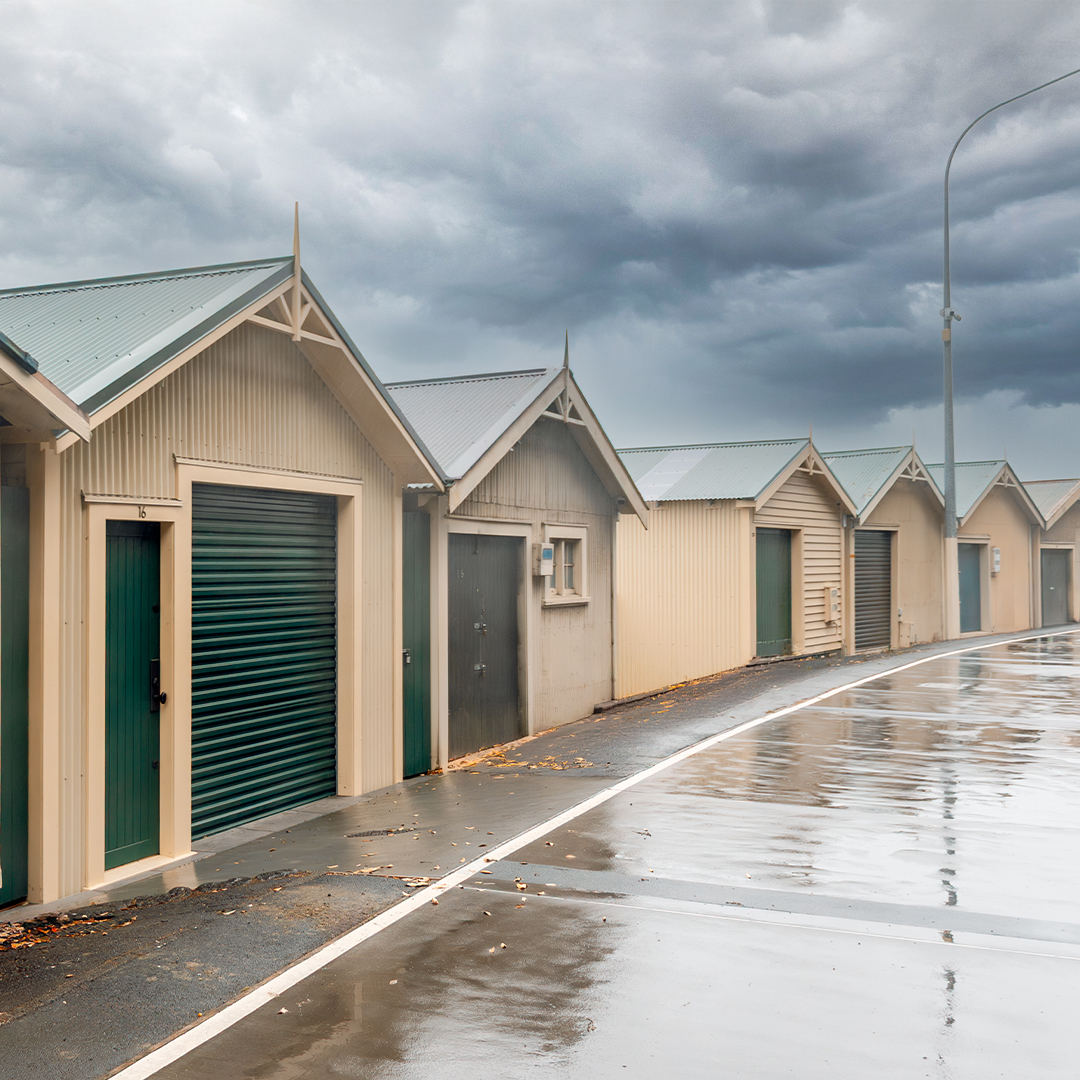
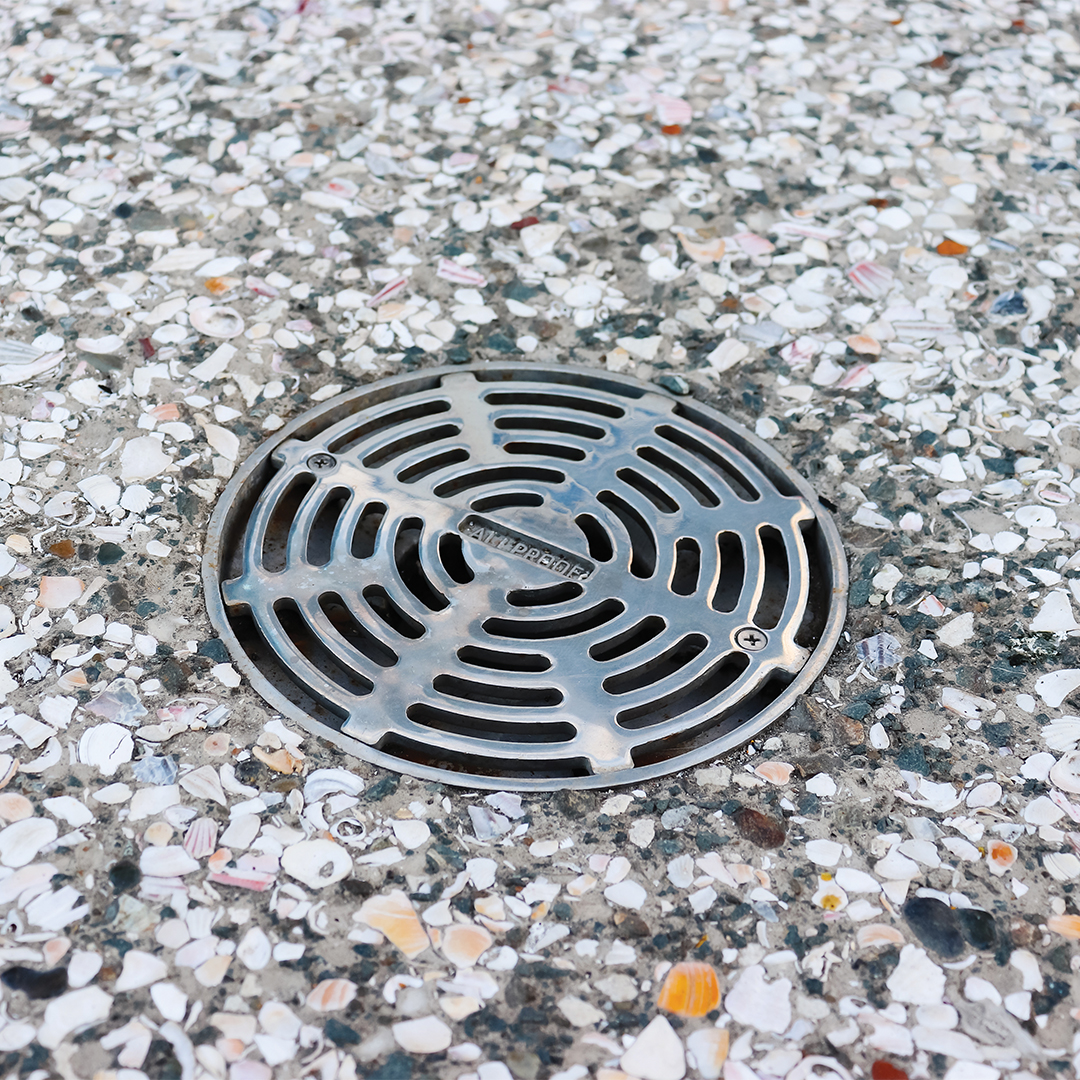
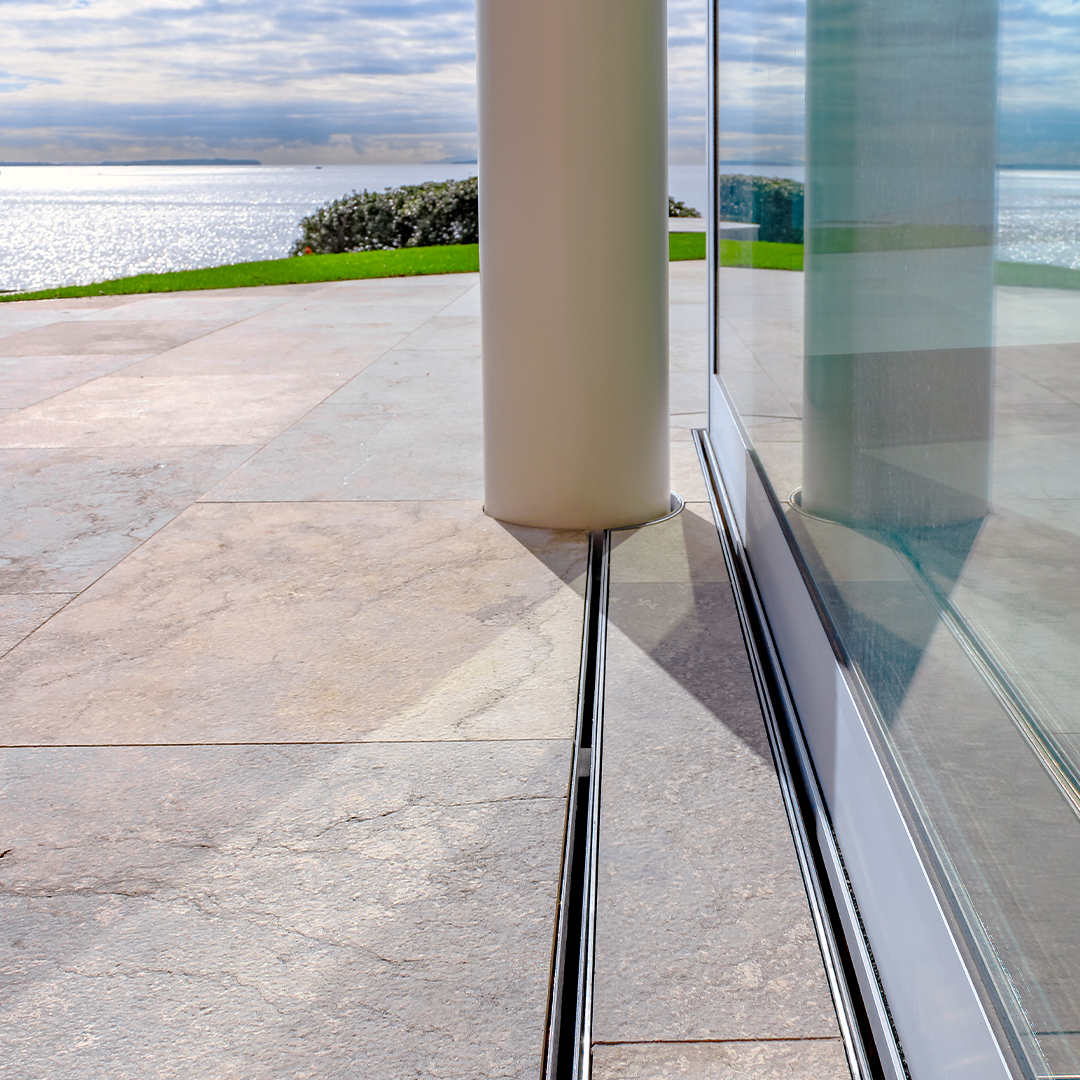
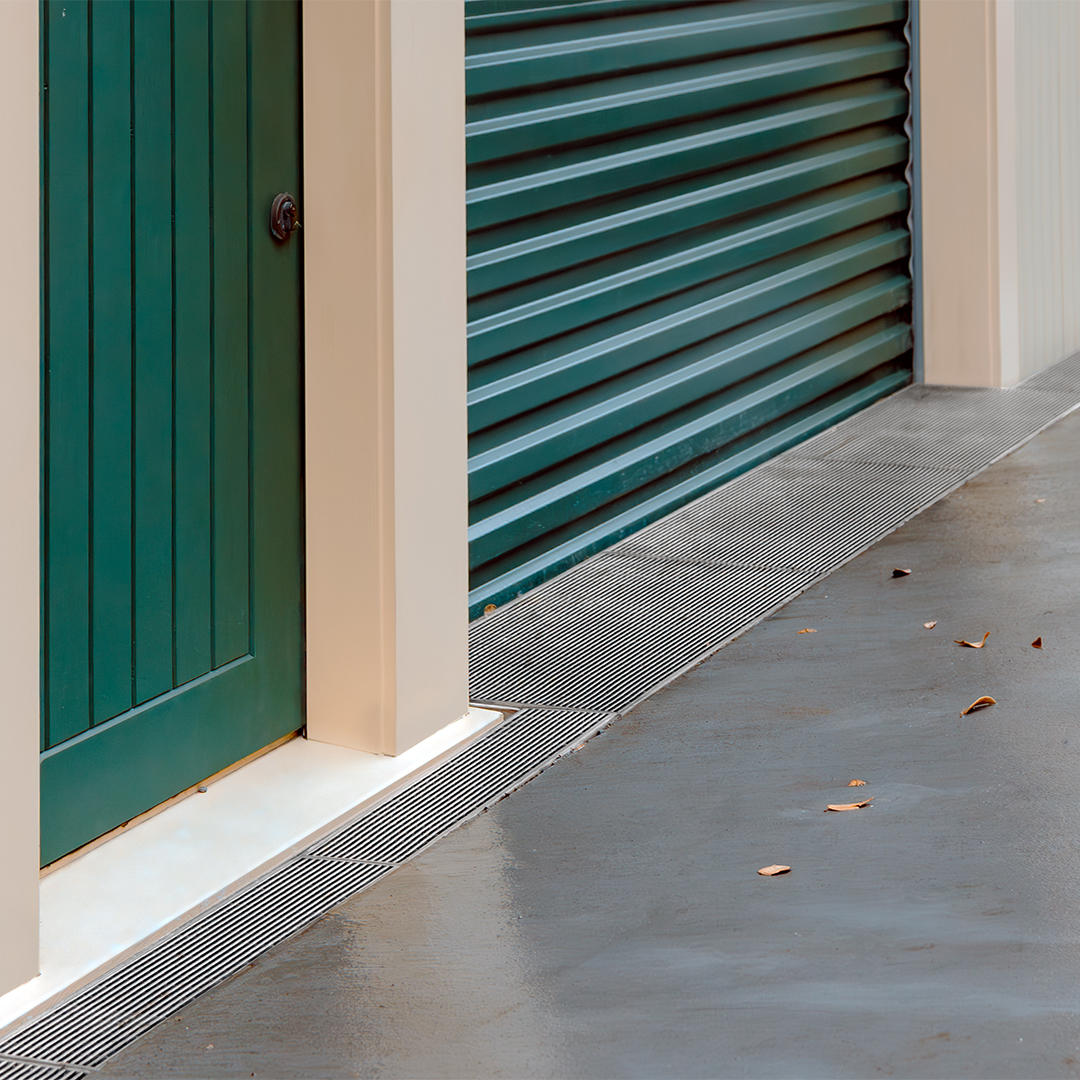
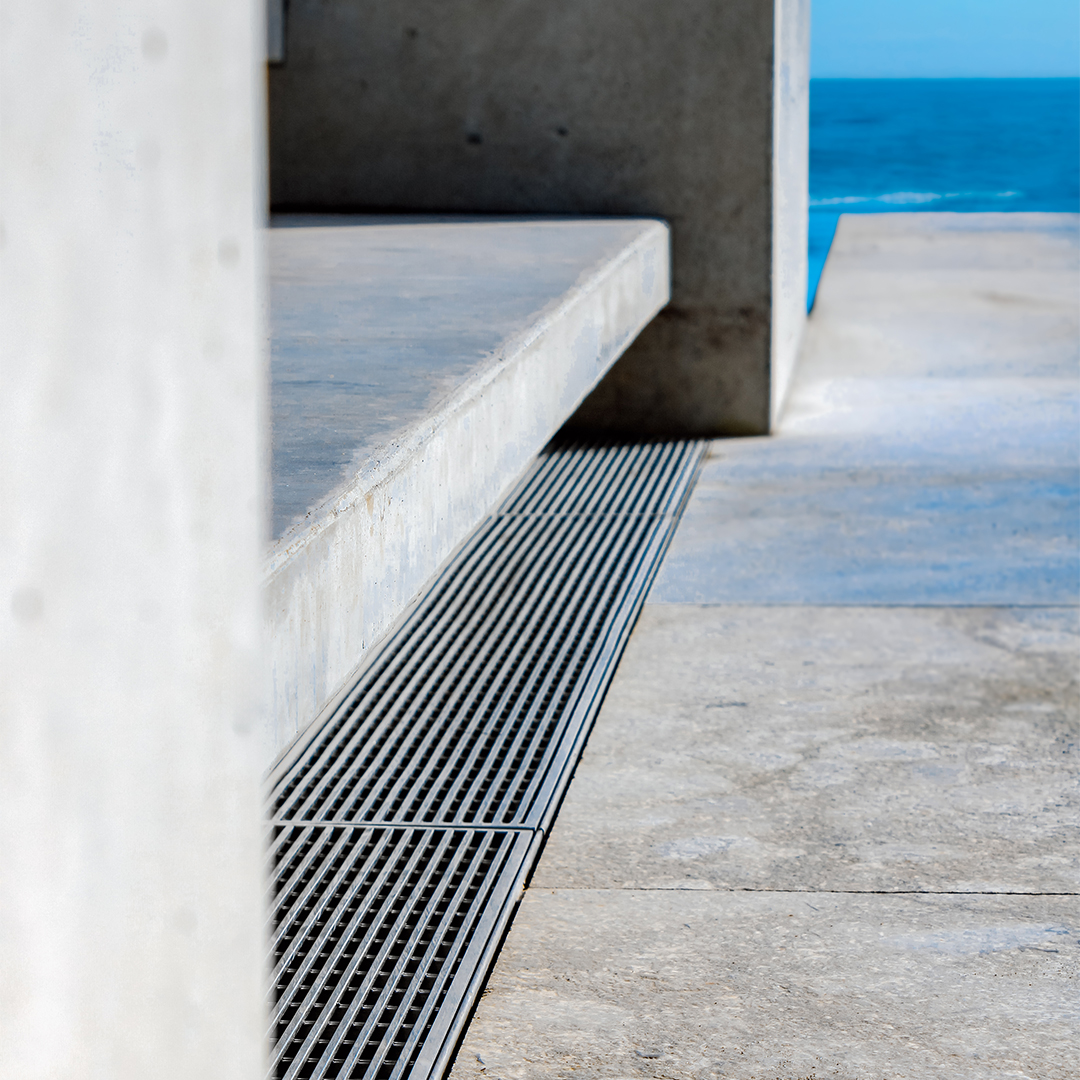
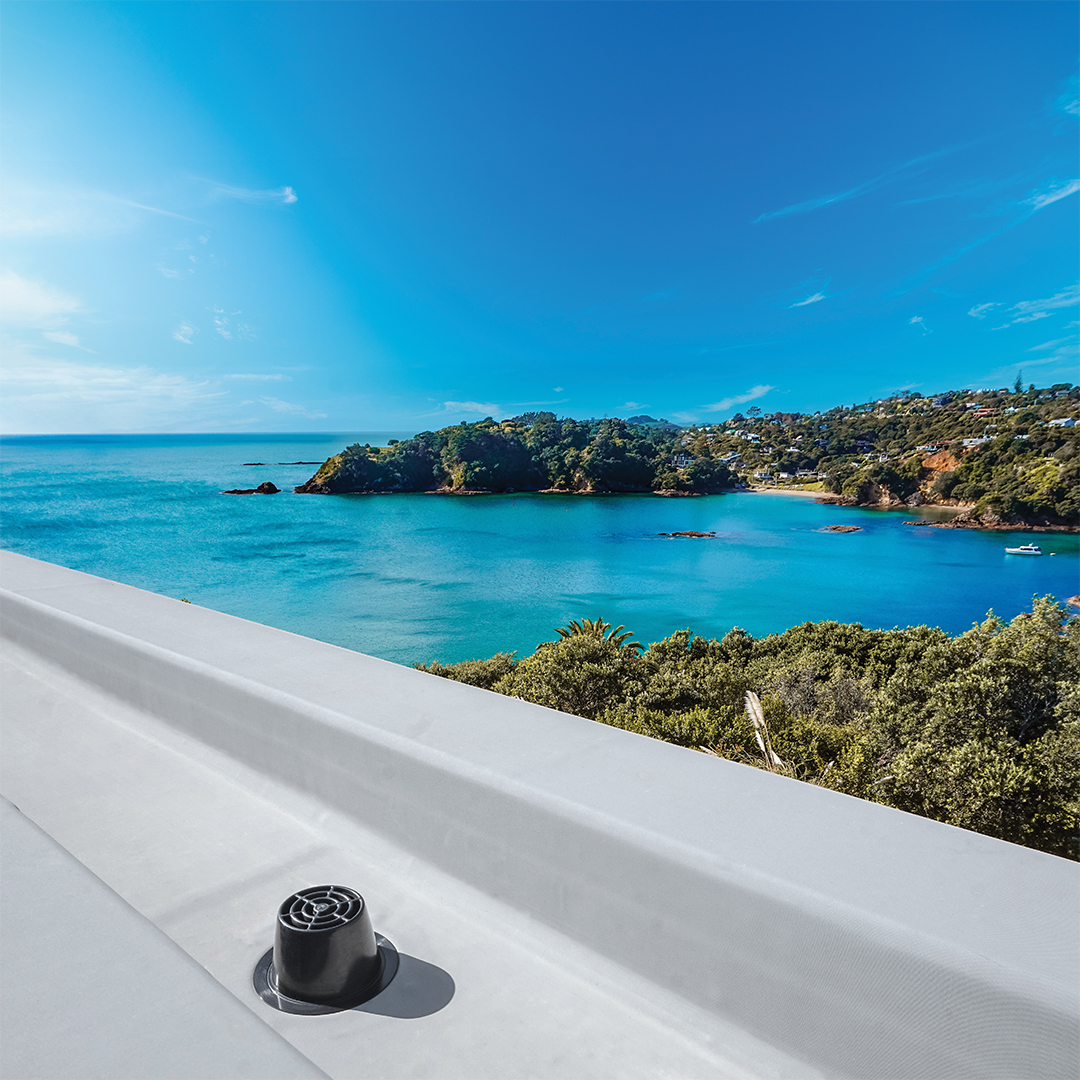
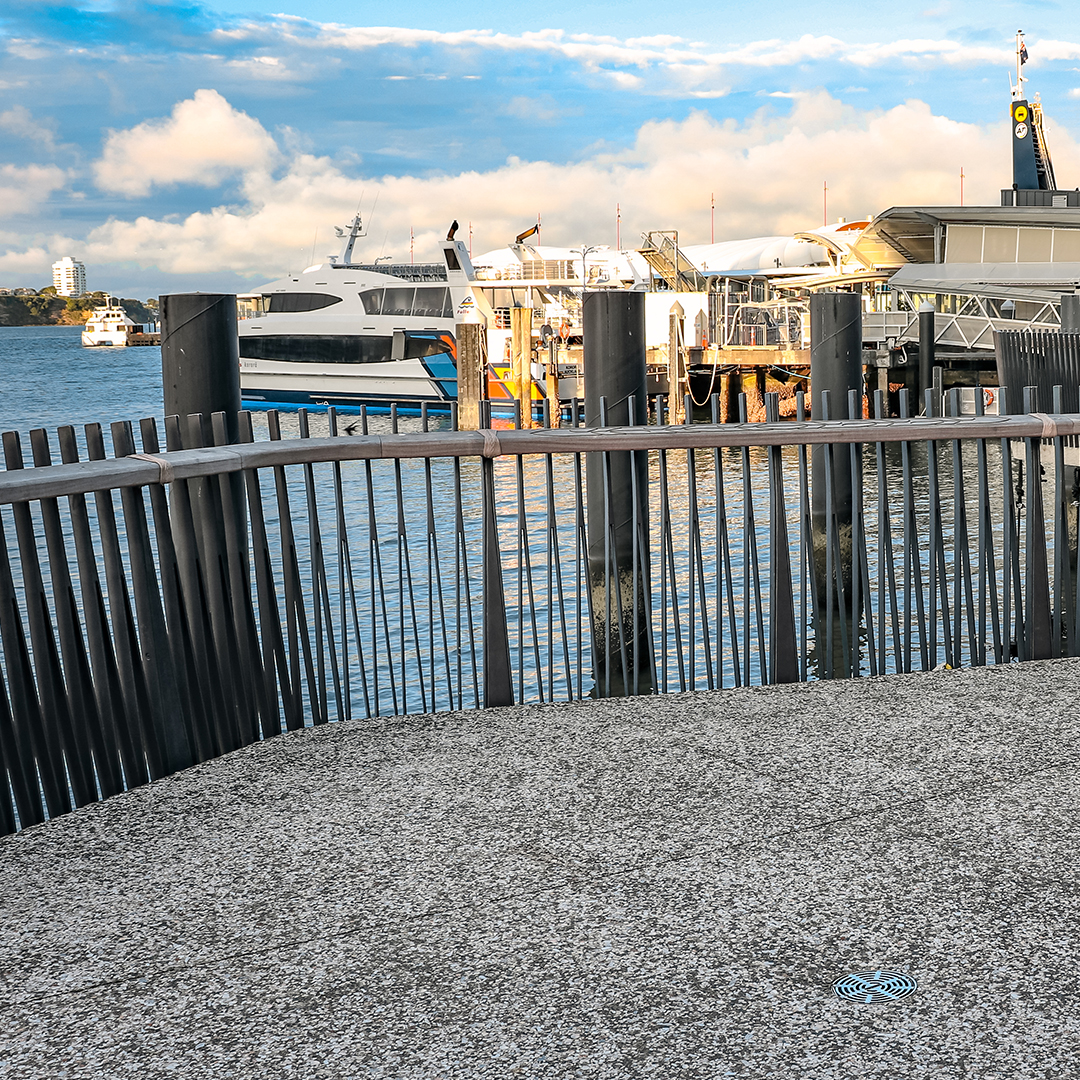
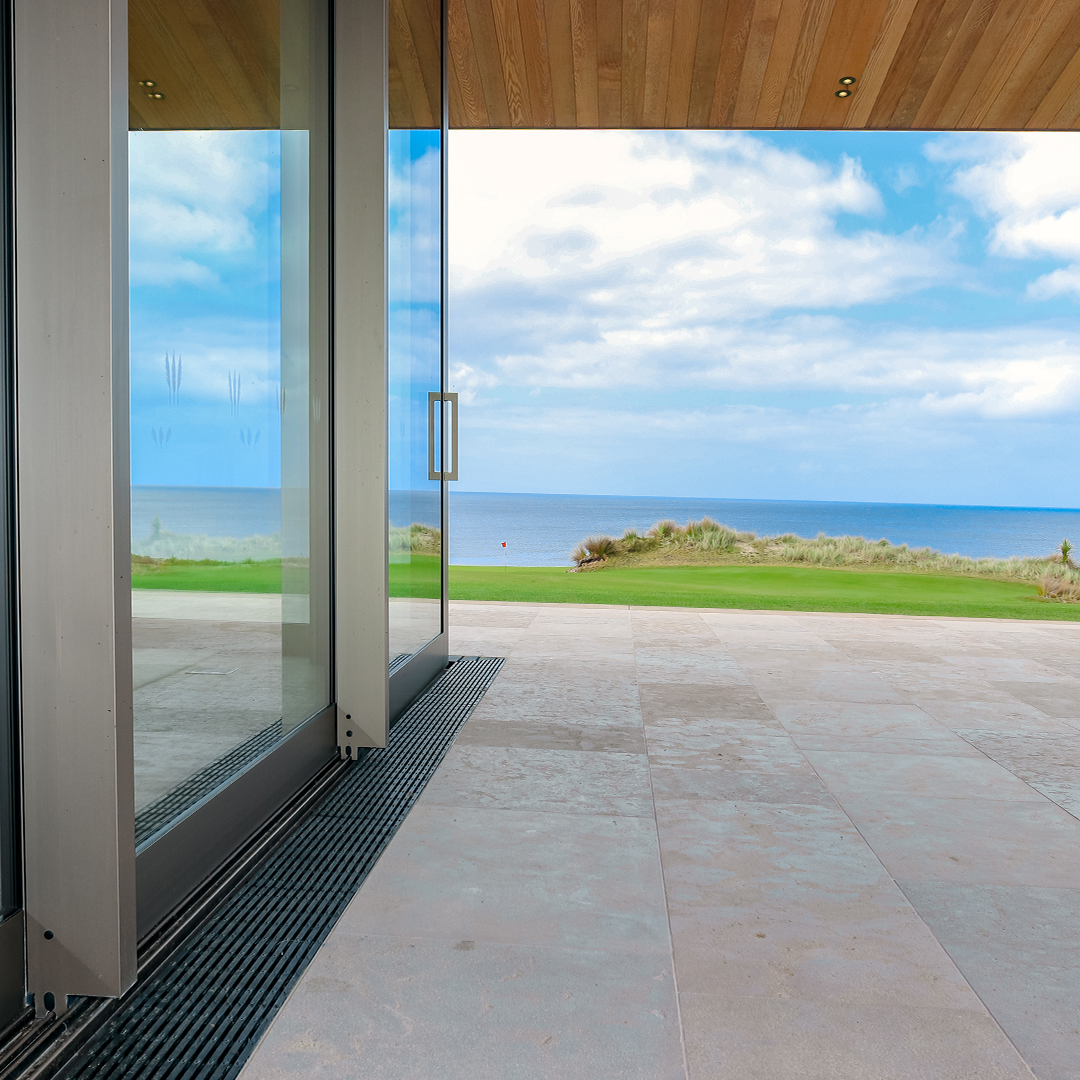
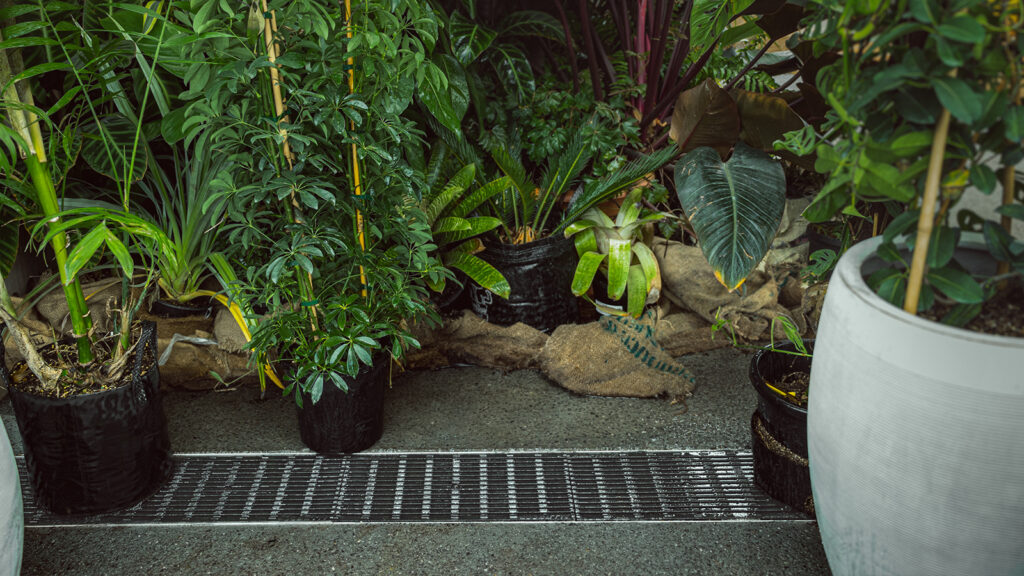
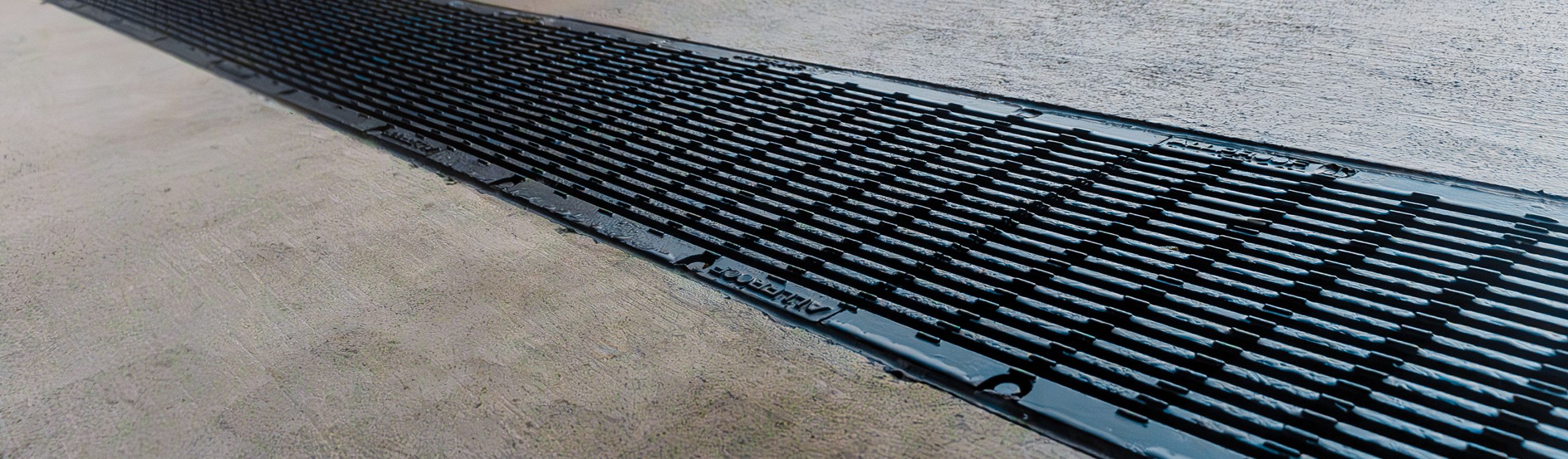
Threshold channels and surface water drains also require careful consideration. These products may be installed in high-exposure zones or in sheltered areas under soffits or overhangs. In these protected locations cast iron can oxidise heavily because it is not regularly washed by rain or cleaned by pedestrian traffic. Although this oxidation does not reduce structural integrity, it can have a noticeable aesthetic impact on the finished project. To address this, Allproof provides stainless steel grates in grades 304 and 316, as well as engineered plastic grates that are frequently manufactured from 100 percent recycled material. Plastic grates also offer improved resistance to corrosive environments, including coastal exposure and geothermal conditions. Modern black plastic grates are increasingly specified because they align well with contemporary design palettes and provide a durable, consistent finish.
Allproof grates are load tested to AS 3996, which is the recognised standard for determining load class suitability for both pedestrian and vehicular traffic environments. In addition, a selection of Allproof grates are slip rated to AS 4586, which supports safe specification in areas where slip resistance is required by design or regulation.
Ongoing communication between designers, installers and manufacturers remains essential. Allproof works closely with architects, hydraulic consultants and contractors to ensure correct material specification for each environment and to confirm that the installed products meet both performance expectations and aesthetic requirements. This collaborative approach helps deliver drainage solutions that remain durable, compliant and visually consistent across a wide range of New Zealand exposure conditions.